Uncategorized
Generator Sizes in Kenya: Complete KVA Guide for Homes & Businesses
Apr
If you’ve ever tried buying a generator in Nairobi, Kisumu, or Mombasa, you’ve probably seen terms like: 10KVA, 50KVA, 100KVA and 500KVA, And honestly, most people get confused here.
Last year, a small business owner in Nakuru bought a generator that was too small for his shop — and it kept shutting down every time he turned on all his machines.
That’s why understanding generator sizes in Kenya is so important before you buy.
What Does KVA Mean in Generators?
KVA simply means Kilovolt-Ampere, which is the unit used to measure generator power output. In simple terms:
The higher the KVA, the more power the generator can supply. But here’s the mistake many people make:
- They assume bigger is always better
- Or they buy too small and overload the system
Both lead to problems.
Generator Sizes in Kenya (Complete Breakdown)
Let’s break it down clearly:
🔹 1. Small Generators (5KVA – 30KVA)
✔ Best for:
- Homes
- Small shops
- Apartments
✔ Powers:
- Lights
- TV
- Fridge
- Small appliances
These are the most common entry-level generators in Kenya for home use.
🔹 2. Medium Generators (30KVA – 100KVA)
✔ Best for:
- Small businesses
- Schools
- Offices
✔ Powers:
- Computers
- AC units
- Refrigeration systems
- Office equipment
This is the most popular range for business generators in Kenya.
🔹 3. Large Generators (100KVA – 500KVA)
✔ Best for:
- Hospitals
- Supermarkets
- Hotels
- Construction sites
✔ Powers:
- Heavy electrical loads
- Multiple departments
- Continuous operations
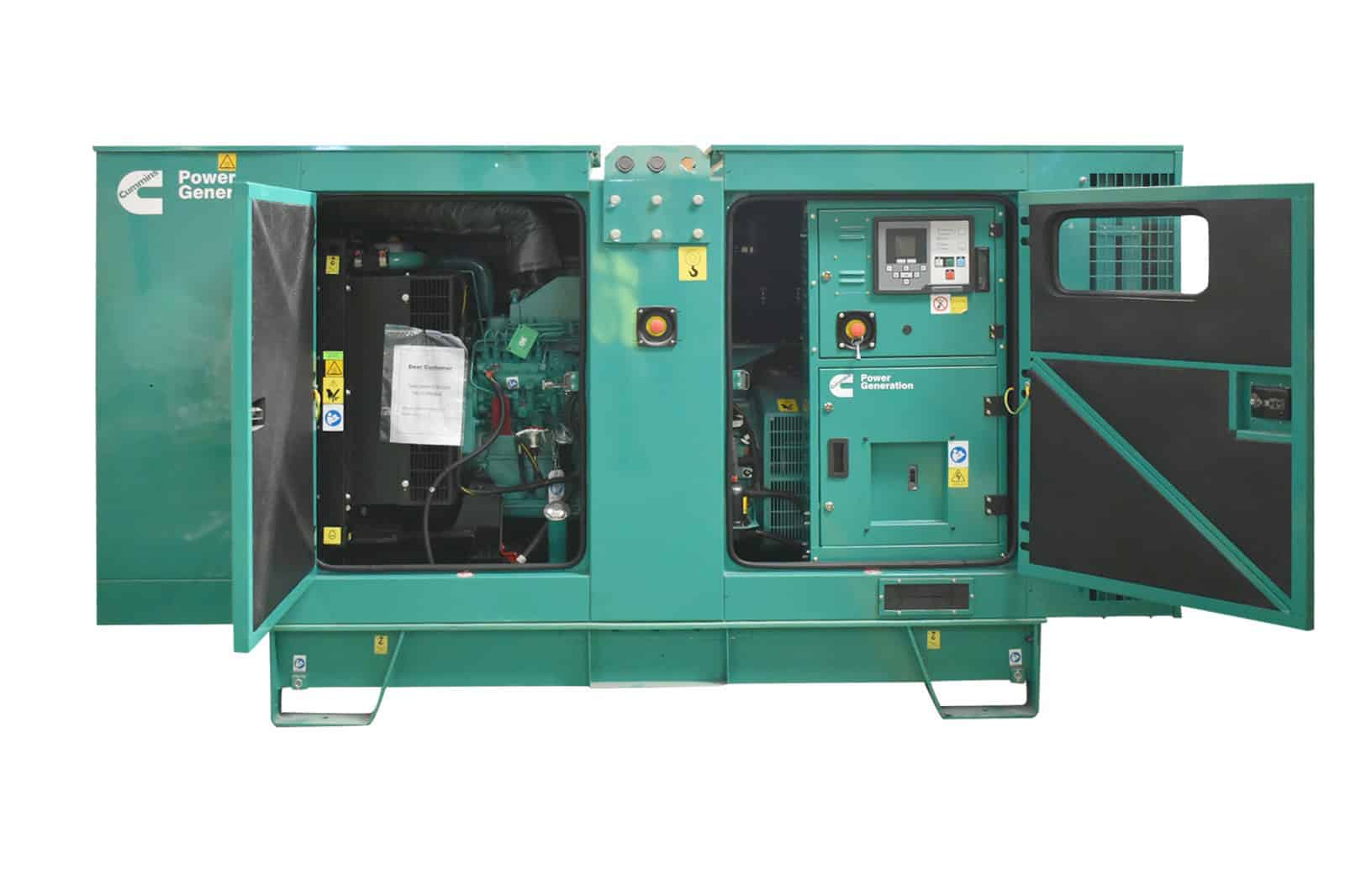
👉 These are commonly used Cummins diesel generators in Kenya. (cargen.com)
🔹 4. Industrial Generators (500KVA – 3000KVA+)
✔ Best for:
- Factories
- Data centers
- Large industrial plants
✔ Powers:
- Entire buildings
- Heavy machinery
- Continuous production lines
This is where high-performance diesel generators dominate the Kenyan market.
How to Choose the Right Generator Size in Kenya
Before buying, ask:
🔹 What equipment will I run?
List everything you want to power
🔹 Will everything run at once?
This affects total load
🔹 Is this backup or full-time power?
Backup = smaller size
Continuous use = larger size
🔹 Do I plan to expand later?
Always allow extra capacity
Choosing correctly avoids overload and damage.
Common Mistakes When Choosing Generator Sizes
❌ Buying too small a generator
❌ Ignoring startup power load
❌ Not planning future expansion
❌ Copying someone else’s setup
These mistakes are very common in Kenya and lead to system failure.
Generator Sizes vs Price in Kenya
Here’s a simple guide:
- 5KVA – 30KVA → KES 200,000 – 800,000
- 30KVA – 100KVA → KES 800,000 – 3M
- 100KVA – 500KVA → KES 3M – 10M+
- 500KVA+ → KES 10M – 20M+
Bigger size = higher cost, but also higher reliability for large loads.
Why Cummins Generators Are Popular in Kenya
Many businesses prefer Cummins because:
- Strong load handling
- Long engine life
- Fuel efficiency
- Stable performance
That’s why Cummins dominates industrial generator sizes in Kenya.
Where Generator Sizes Matter Most in Kenya
You’ll see different needs in:
- Nairobi (offices + apartments)
- Mombasa (hotels + port operations)
- Nakuru (commercial + agriculture)
- Industrial zones (heavy-duty generators)
Final Thoughts
Understanding generator sizes in Kenya is the most important step before buying a generator.
The right size ensures:
- No overload
- No downtime
- Better fuel efficiency
- Long-term reliability
The wrong size will always cost more in the long run.
